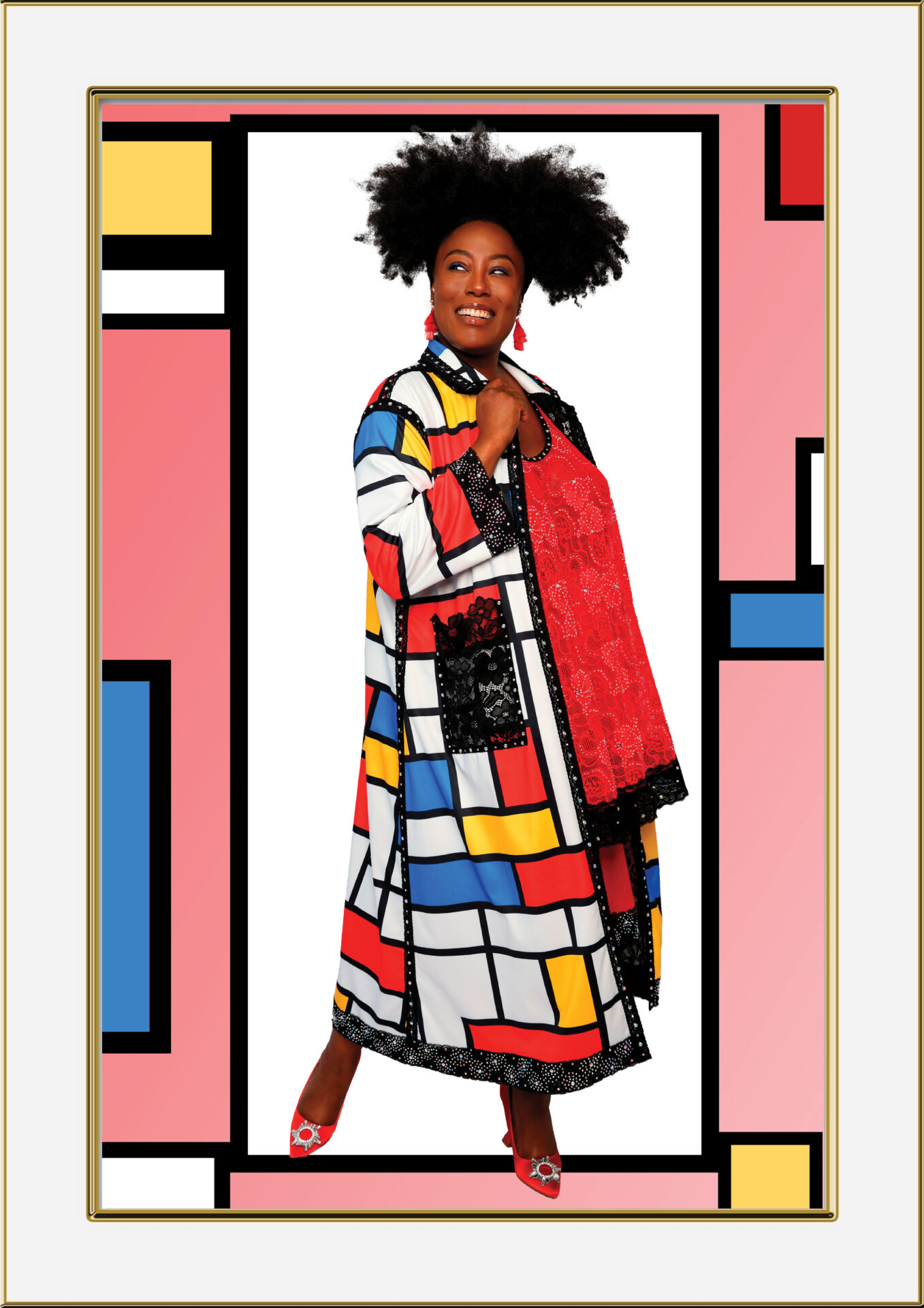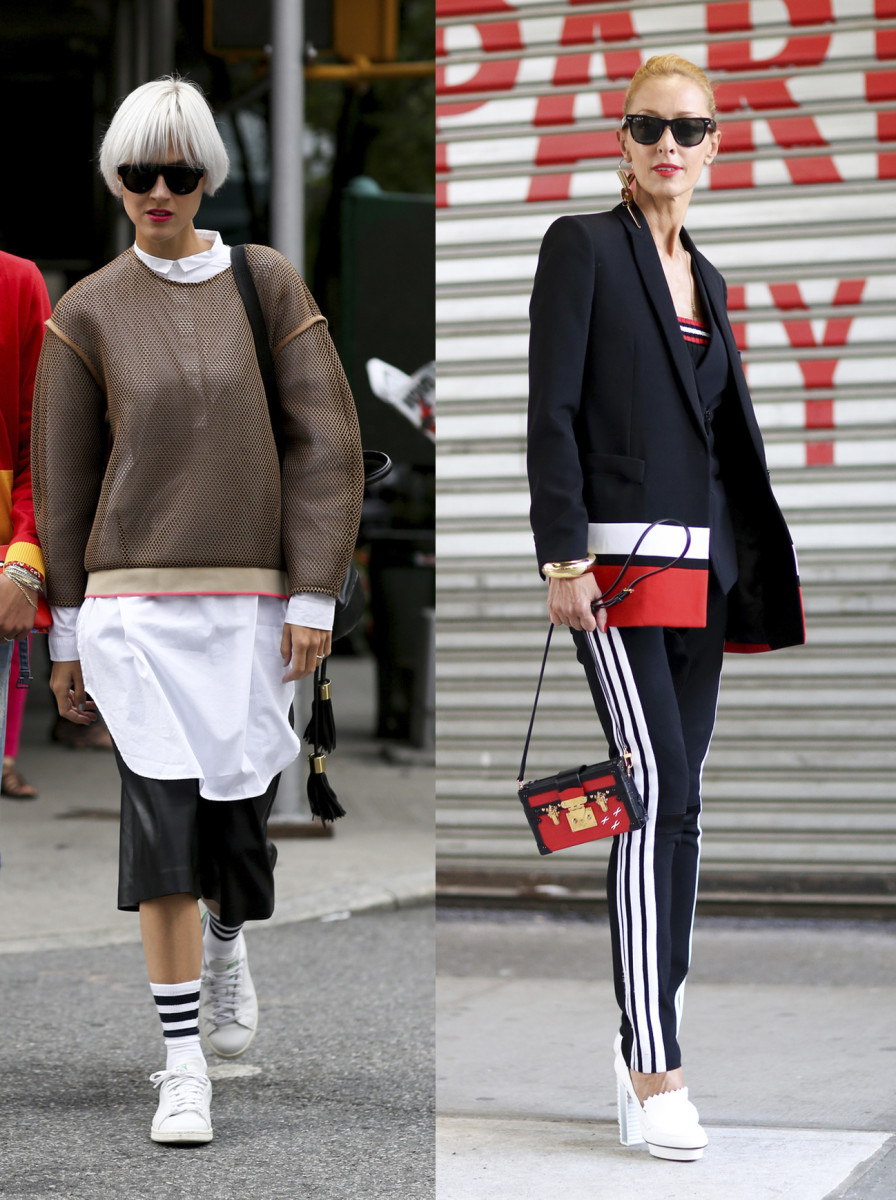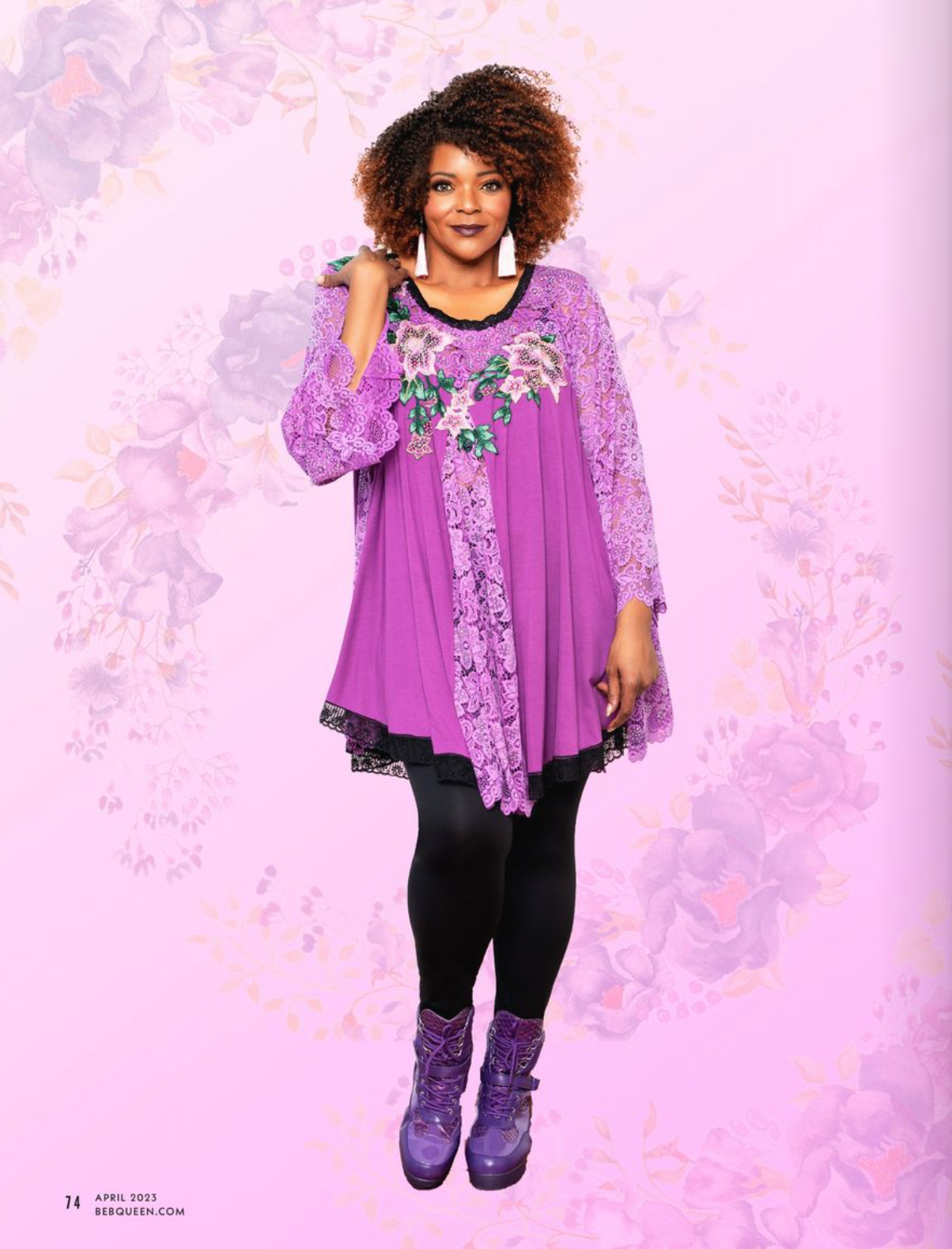

Article Photos Credit: https://www.wmagazine.com/fashion/grammys-2003-wildest-looks-fashion
When I was still a child, my mom told me everything comes back around eventually. She said it happens roughly every twenty years, and so far she’s spot on.
When Dr. Martens had their commercial resurgence in the late 2010s, it was comical for her to witness what had, for her, faded into relative obscurity, suddenly set young folks ablaze again with a new capitalistic impulse to spend and covet. Twenty years ago today marks an era affectionately named “Y2K”; the time which concluded the twentieth century and the time believed to signify the end of the Earth. Scary stuff, but I don’t have to be the one to tell you that the world didn’t end in 2000, or 2012, or even in 2020, but the cultural influence behind these moments in history are still noteworthy. They’re worth talking about for a plethora of reasons but for the sake of this article, let’s focus on the ways in which specifically Y2K culture and fashion first became a zeitgeist, and what its resurgence could be indicating about our contemporary post-lockdown COVID-thrashed social structure.

Before deconstructing what Y2K is or means in a contemporary context, it’s important to understand its foundational inception in America. This in itself is a minor point of contention among fashion archivists, long-standing observers of fashion, and modern influencers alike.
Questioning an intentionally-buried origin is a practice America discourages throughout history, which is to say that Y2K fashion is not a new phenomenon. It is rather a modern assembly of specific older styles and silhouettes, appropriated by the black inventors of streetwear, which over-time, developed into its own aesthetic: Y2K. When prompted, most folks under 30 picture a particular line of dolls when thinking about the onset or normalization of Y2K fashion known as Bratz.
The Bratz dolls initially debuted on May 21st 2001, unveiling its first four dolls: Yasmin, Cloe, Shasha, and Jade respectively. M.G.A.’s line of dolls, while nearly bankrupting Barbie, would come to define the aesthetic and ethos of an entire generation of young children. Bratz reportedly sold 125 million dolls by 2006, according to Margaret Talbot of The New Yorker Magazine. (Talbot 2006) This gross profit of over two billion dollars in only five years fueled an already burgeoning flame surrounding Y2K obsession.
However, while Bratz certainly added fuel to this fire, they aren’t the ones who started it. Talbot describes the allure of Bratz to be rooted in features that are, “ethically indeterminate, with names such as Kiana, Roxxi, and Yasmin…”, saying that, “Bratz dolls are both contributing to and feeding on a culture in which girls play at being “sassy”’. Essentially, Talbot is trying to describe that blackness is a large part of what quantifies the Bratz and Y2K aesthetic itself. The term “sassy” here is, itself, covertly pejorative in its description of black women and girls.
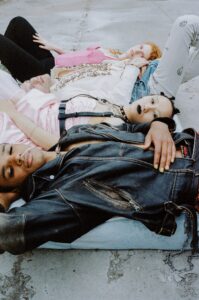
Aakruti Ganeshan from 34th Street Press claims “Girl groups like Blaque, 3LW, and Destiny’s Child both popularized and cemented key aspects of the Y2K style— sporting low–waisted jeans, neon camisoles, and mesh shirts.” in their 2021 article, and I’m inclined to agree with them. It doesn’t require access to exclusively vaulted fashion archives to see how incredibly influenced Y2K fashion is by black people. A simple Google search reveals that Alicia Keys, Destiny’s Child, Missy Elliot, TLC, and every other black person’s red carpet stylings from 2001-2006 were deeply entrenched within the Bratz closet, or rather, the Black closet.
From today’s perspective, the byproduct is largely the same. Influencer Aliyah’s Interlude, a very beautiful dark-brown skinned black TikTok star, is gaining traction online for her unique take on the Y2K aesthetic. Coined as Aliyahcore, her brand consists of distressed sweaters, oversized Bratz-era boots, alternative denims, multi-layered clothing, miniskirts, and
ripped leggings exclusively. There is little deviation in her silhouette between outfits, but how she configures her pieces differs vastly from outfit to outfit. Aliyahcore is polarizing among avid TikTok users, as her influence seems to be striking a chord. Aliyah strikes the same chord that
Bratz had in 2001. Aliyahcore reminds TikTok and Instagram users of how effortless-seeming and provocative black innovation is, especially with regard to fashion.
 aa
aa
Still, streetwear is not mutually exclusive to Y2K fashion, but rather a separate conversation entirely. Y2K is merely a branch under the much larger umbrella of streetwear. Everything Y2K is probably considered streetwear too, but not all streetwear is distinctly
reminiscent of Y2K.
Regardless, this conversation would be fraught without mentioning Virgil Abloh’s brand Off White, and its unprecedented popularity from its inception in 2012 until now. Abloh single-handedly injected streetwear, a more broad but still intrinsically black fashion sphere, into the high fashion world. Regardless of how dismissive the upper-echelon of this lofty world are, they could not halt the craze and revolution that would inevitably stem from Off White and their perpetual innovations in fashion.

For clarity, this article isn’t intended to discredit white contributions to or iterations of the Y2K aesthetic, but rather to uncover who started the trend so as to further conceptualize the socio-political context upon which these trends are conceived – to uncover why everything comes back every twenty years and who’s bringing it back in the first place.
It is critically important for a larger audience to understand and accredit the onsetters of trends, large and small. Y2K is just one example of how black innovation has created an entire cultural zeitgeist, from which Black people seldom profit, and is instead extorted by Tik Tok, Instagram, DePop, and even Urban Outfitters. Identifying the places among our ornate amalgam of social conventions where specific folx have historically been denied their accolades or recognition for their contributions not only makes undeniable any claims of false origination, but also makes undeniable the influence that specific cultures and sects of people have upon the collective.
Once we as a collective understand more about where trends like Y2K fashion come from, fewer of its originators will feel robbed within the only threshold where they could find the freedom to be themselves.

written by Joy Savoy.