Throughout history, societal ideals of beauty have undergone profound transformations, heavily influencing women’s perceptions of their own bodies. From the ancient civilizations to the present day, the concept of an ideal body type has shifted dramatically, reflecting cultural, social, and historical contexts. This blog post takes you on a journey through the changing landscape of women’s body standards over the decades.
Ancient Civilizations: Celebrating Fertility and Curves
In ancient times, body ideals were often linked to notions of fertility and health. In civilizations like ancient Greece and Rome, the admiration for fuller figures was evident in sculptures and artworks depicting women with rounded hips, soft bellies, and ample bosoms. These curvaceous body types were seen as a symbol of vitality and the ability to bear healthy offspring.
Renaissance Era: Embracing Curves as a Sign of Wealth
Fast-forward to the Renaissance era, where wealth and prosperity were celebrated by voluptuous body shapes. Paintings by renowned artists like Rubens depicted women with generous proportions, reinforcing the idea that a fuller figure was a status symbol. The hourglass figure, characterized by a well-defined waist and ample bust and hips, became the epitome of beauty during this period.
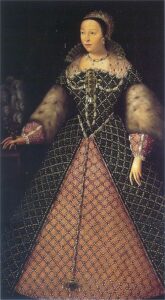
Victorian Era: Constricting Corsets and Fragile Elegance
The Victorian era introduced a stark departure from the curves of the Renaissance. Women were expected to conform to a slim, delicate, and fragile aesthetic. The hourglass figure persisted but was achieved through the use of tightly laced corsets, often causing health issues. The emphasis on a narrow waist and a dainty appearance reflected the societal values of modesty and self-restraint.
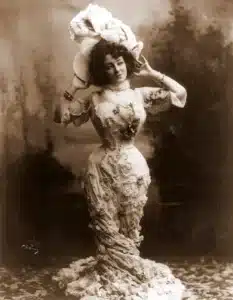
Roaring Twenties: The Flapper Revolution
The 1920s brought forth the “flapper” revolution, challenging traditional beauty standards. Women embraced a more androgynous look, with a focus on a straight and boyish figure. The liberation of women during this era led to shorter hemlines, a decrease in corset usage, and a celebration of a slim silhouette that embodied freedom and independence.
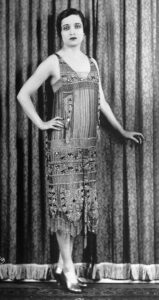
Golden Age of Hollywood: The Hourglass Resurgence
The mid-20th century marked the rise of Hollywood and its influence on beauty ideals. Icons like Marilyn Monroe epitomized the return of the hourglass figure. This era celebrated curves, femininity, and sensuality. The “hourglass figure” was back in vogue, with emphasis on a small waist, rounded hips, and a fuller bust.
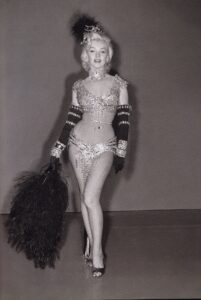
Swinging Sixties and Beyond: Twiggy and the Thin Ideal
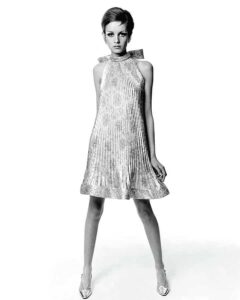
The 1960s saw the emergence of model Twiggy, symbolizing a radical shift towards a more slender and androgynous body type. The “mod” look emphasized thinness, with long limbs and a flat chest. This marked the beginning of the thin ideal, which would gain momentum in the following decades and have a lasting impact on beauty standards.
Diversity and Body Positivity: Modern-Day Realities
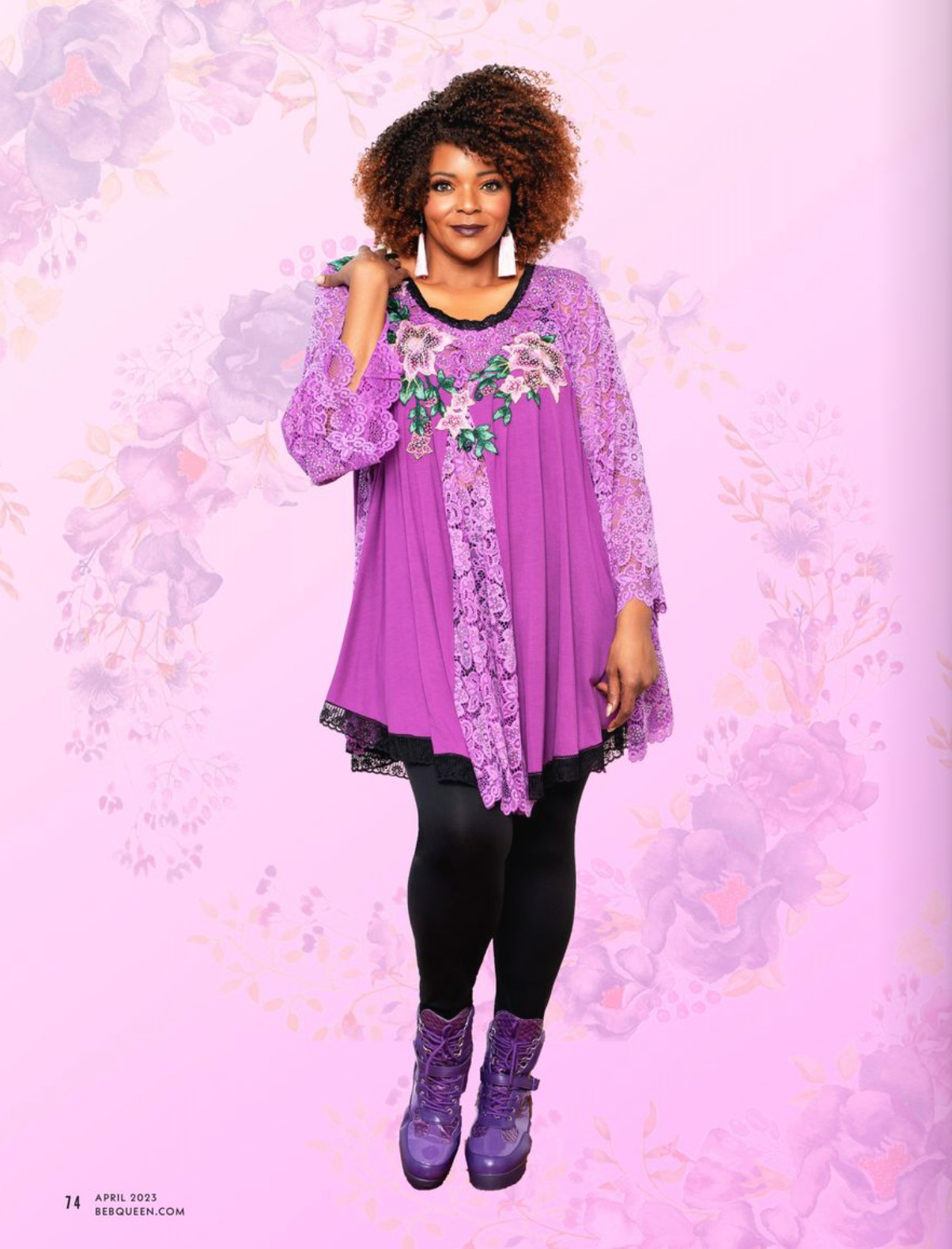
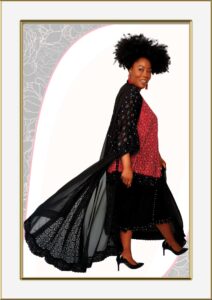
In recent decades, there has been a growing acknowledgment of the harmful effects of narrow beauty standards. The body positivity movement strives to challenge these norms, celebrating bodies of all shapes, sizes, and colors. The fashion industry, media, and society at large are gradually embracing diversity and inclusivity, promoting a healthier and more accepting outlook on beauty.
The evolution of women’s body types throughout history reflects the dynamic interplay between culture, society, and changing perceptions of beauty. From celebrating fertility and curves to valuing slender frames, beauty standards have shifted dramatically, often reflecting the prevailing values of each era. However, it’s essential to recognize that every body is unique and should be celebrated as such. Embracing the diversity of body types is far better than confining ourselves to rigid beauty standards.
In a world that often tries to dictate what’s beautiful, it’s empowering to remember the message from BEB Queen: “Be bold, be elegant, be beautiful, be a queen.” The journey of embracing one’s individuality and celebrating the uniqueness of one’s body is a journey toward self-love, confidence, and empowerment. Let us cast aside the limitations of the past and step into a future where beauty is as varied and diverse as humanity itself. So, whether you’re curvy, slender, tall, petite, or anywhere in between, remember that your body is a masterpiece, and being true to yourself is the most beautiful thing you can be.